
Is Your Roof Ready for Solar Panel Installation
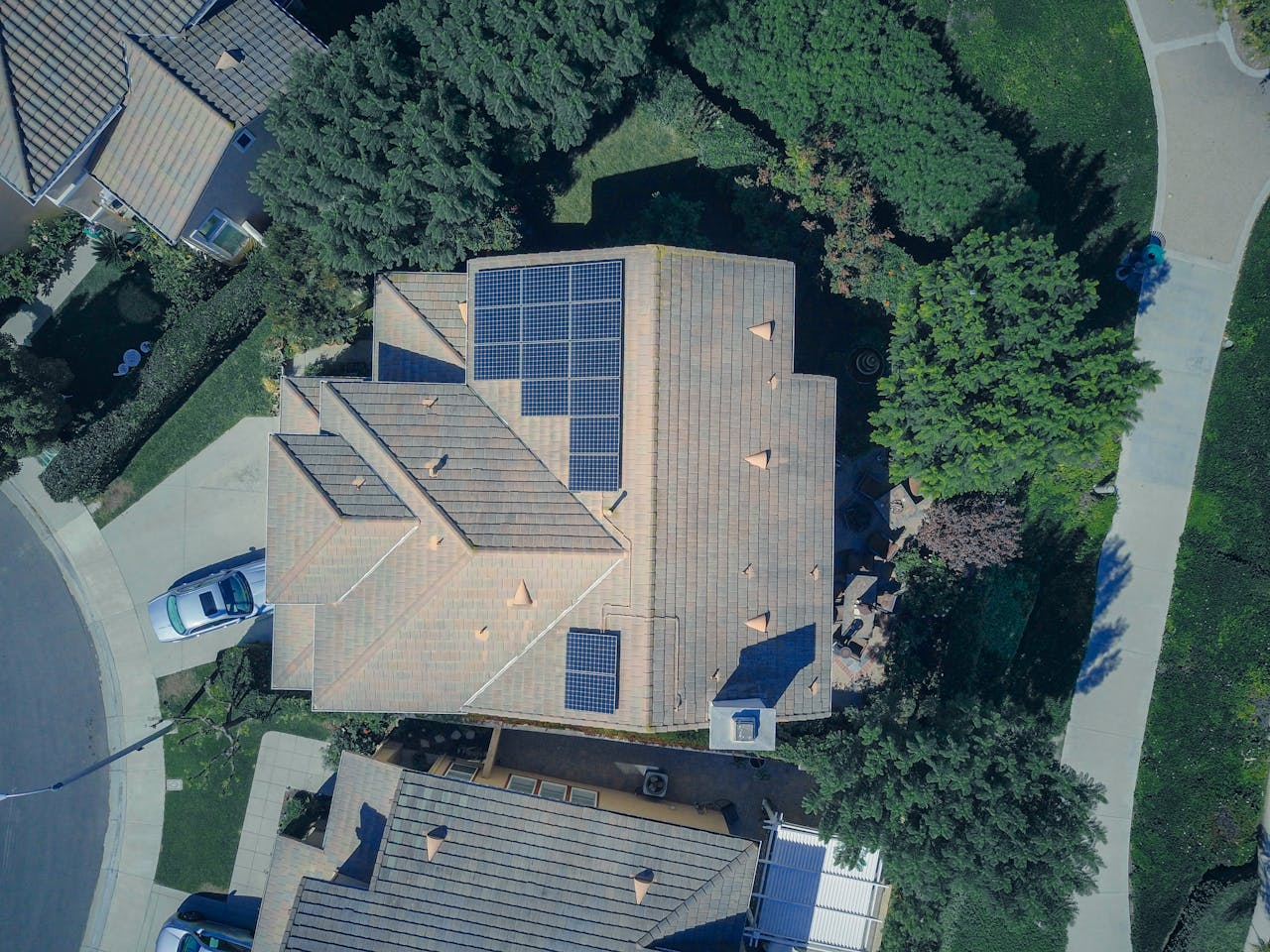
As homeowners explore ways to lower energy bills and reduce their carbon footprint, solar panels are becoming a popular option. However, before moving forward with installation, it’s important to evaluate whether your roof can support this type of upgrade. Working with professionals who offer comprehensive roofing services can help you determine if your roof is structurally sound, properly oriented, and free from obstacles that could hinder solar energy production. This guide will walk you through the key factors to consider, helping you decide if your roof is ready for solar panels.
Roof Age and Condition
Before installing solar panels, assess the age and condition of your roof to ensure it can support the weight and any necessary modifications. Check for signs of aging, including cracked or missing shingles, uneven areas, or evidence of leaks and water damage. A sturdy roof is vital for supporting the panels without risking structural problems. If your roof is nearing the end of its lifespan, replacing it before installing solar panels can save you from having to remove and reinstall the system later. Review any existing warranties to understand if installing panels could void coverage. Addressing these factors early helps set the foundation for a successful solar installation.
Roof Orientation
The angle and direction of your roof play a significant role in determining how much energy your solar panels can generate. In the northern hemisphere, south-facing roofs typically capture the most sunlight throughout the day, while north-facing orientations work better in the southern hemisphere. East and west-facing roofs are also viable options, though they may produce slightly less energy. The slope of your roof, referred to as pitch, also matters. Often, a pitch that closely matches your location’s latitude offers good year-round performance. Depending on your region’s climate and typical weather patterns, adjustments to panel positioning may further enhance energy production.
Roof Shading Analysis
To maximize solar panel efficiency, conduct a thorough shading assessment to identify any objects that might block sunlight. Consider the following:
- Nearby Trees: Look at how close trees are to your home and how their branches may cast shadows over your roof during peak sunlight hours.
- Adjacent Structures: Check neighboring buildings to see if they could obstruct sunlight at certain times of the day.
- Roof Features: Examine any existing chimneys, vents, or skylights that could interfere with sunlight reaching the panels.
- Equipment: Review whether satellite dishes, antennas, or other roof-mounted equipment could create shade over your installation area.
Addressing potential shading issues ahead of time can significantly enhance the performance and long-term benefits of your solar energy system.
Structural Integrity Assessment
Ensuring your roof can handle the added weight of solar panels is a critical part of the planning process. Start by evaluating the materials used in your roof’s construction, its overall age, and any pre-existing damage or repairs. Certain materials, such as slate or clay tiles, may require special mounting hardware or additional reinforcement to prevent cracking under the weight of the panels. Bringing in a structural engineer for a professional evaluation is often a smart move. They can assess your roof’s framing, pitch, and load-bearing capacity to determine if reinforcements are needed. Taking these steps helps prevent future structural problems and ensures the solar system is installed safely.
Roof Warranty Consideration
Understanding how installing solar panels might impact your existing roof warranty is an important part of the decision-making process. Here are some factors to review:
- Warranty Coverage: Check if the installation process or added weight of the panels could reduce or void portions of your coverage.
- Installation Requirements: Some warranties have conditions that require certified installers or specific mounting techniques to keep coverage intact.
- Modifications: Determine if any roof alterations, such as drilling into the roof deck or removing existing shingles, will affect your warranty.
- Future Removal: If you ever need to remove the solar panels, find out whether your warranty can be reinstated once the panels are gone.
Having a clear understanding of your warranty terms can help you avoid unexpected costs or coverage gaps down the road.
Share :